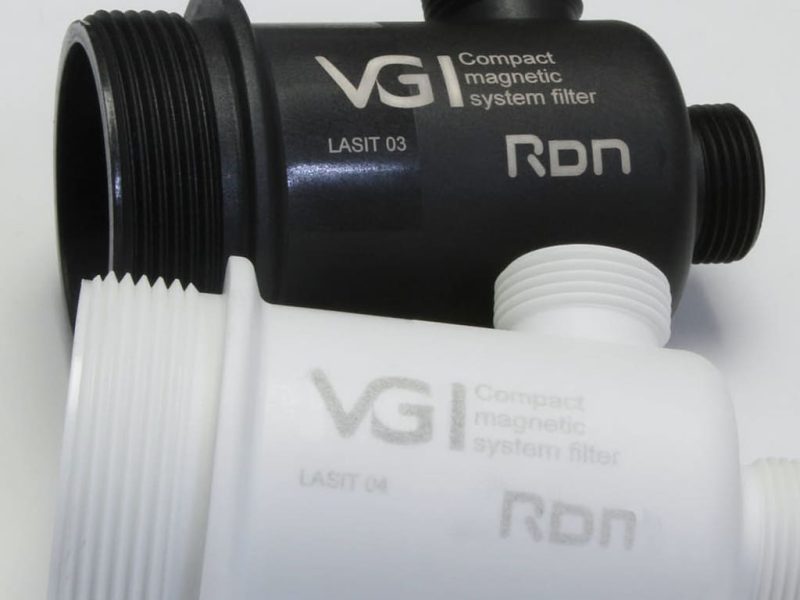
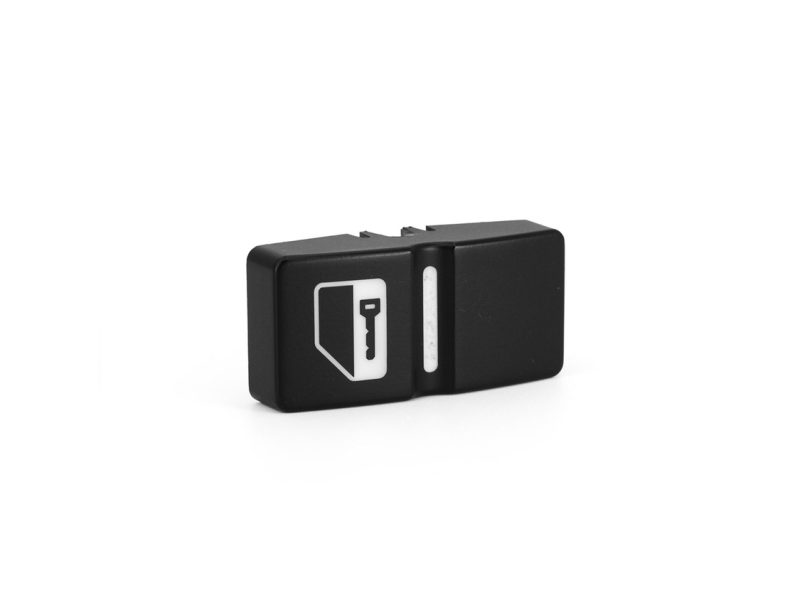
Laser marking on plastic is preferable to other technologies to insert codes, logos and designs. The great specialisation of modern laser technology today allows us to mark on all types of plastics. Laser marking does not present problems such as ink adherence, contrast on dark substrates or finishing complexity. The laser removes or modifies the surface of the plastic material or changes its colour, creating a permanent and indelible contrast.
Plastics
Laser marking on different plastics
To speak of plastics is to refer to derivatives of very different chemical compositions, which influence the performance of the processes applied to them, including laser marking. Among plastics, it is indeed correct to distinguish between polycarbonate, polyamide, polyester, PE, PET, ABS, and many others. These influence the choice of laser in terms of required wavelength.
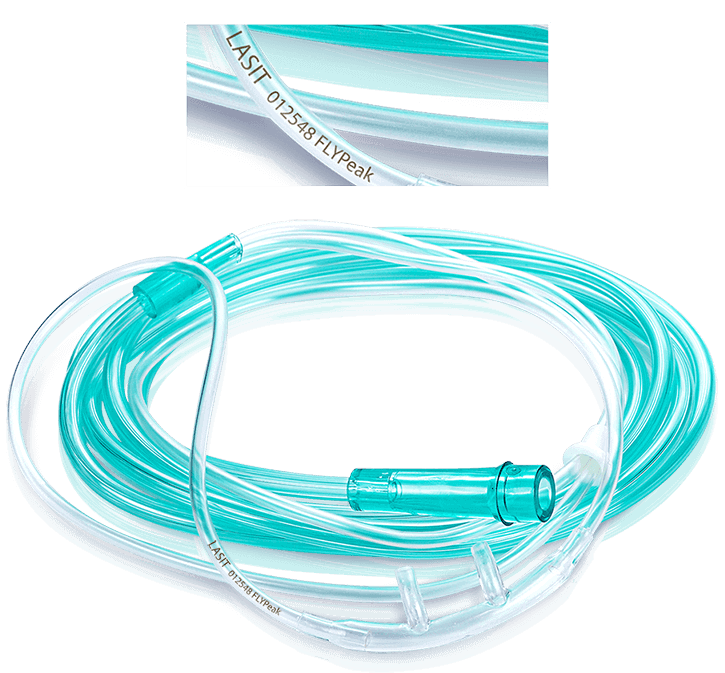
A case in point is PET, which requires a specific short wavelength (9.3 μm) obtainable with CO2 laser markers. A laser with a different wavelength would risk overheating the plastic, causing micro-holes and burning. On this almost transparent plastic, a laser marking is obtained in which the white characters appear to float on the surface. From PET bottles to thin-film materials, laser marking with the right parameters will always be clear and sharp.
plastics Marking
Laser marking processes on plastics
Colour change
Laser marking involving a color change process is basically an electrical process, which rearranges the macromolecules (by changing the direction). In this case, the material “dilates” by partially expanding. It is not removed or eliminated. The “pigment” elements in the base material always contain metal ions. Laser radiation changes the crystalline structure of the ions and the level of hydration in the crystals. Consequently, the composition of the element itself undergoes a chemical transformation, causing a color change due to the greater intensity of the pigment.
Expansion
Expansion is a laser marking process that melts the surface of the plastic. The material, brought to the boiling point, melts. The subsequent cooling is very fast. The gasified and vaporized bubbles are found in the surface layer of the base material and create a whitish bulge. This causes a tangible, therefore embossed, marking effect. The effect of these bubbles is most visible if the base material is dark. In this case, the laser works at reduced power but with very long pulses. This process can be applied to all polymers, where the composition varies the final color: light or dark.
Contact Us
Luminar
Typically replies within minutes
Welcome to Luminar, your trusted partner in laser technology. How may we assist you?