Lorem ipsum dolor sit amet, consectetur adipiscing elit. Ut elit tellus, luctus nec ullamcorper mattis, pulvinar dapibus leo.
Glass
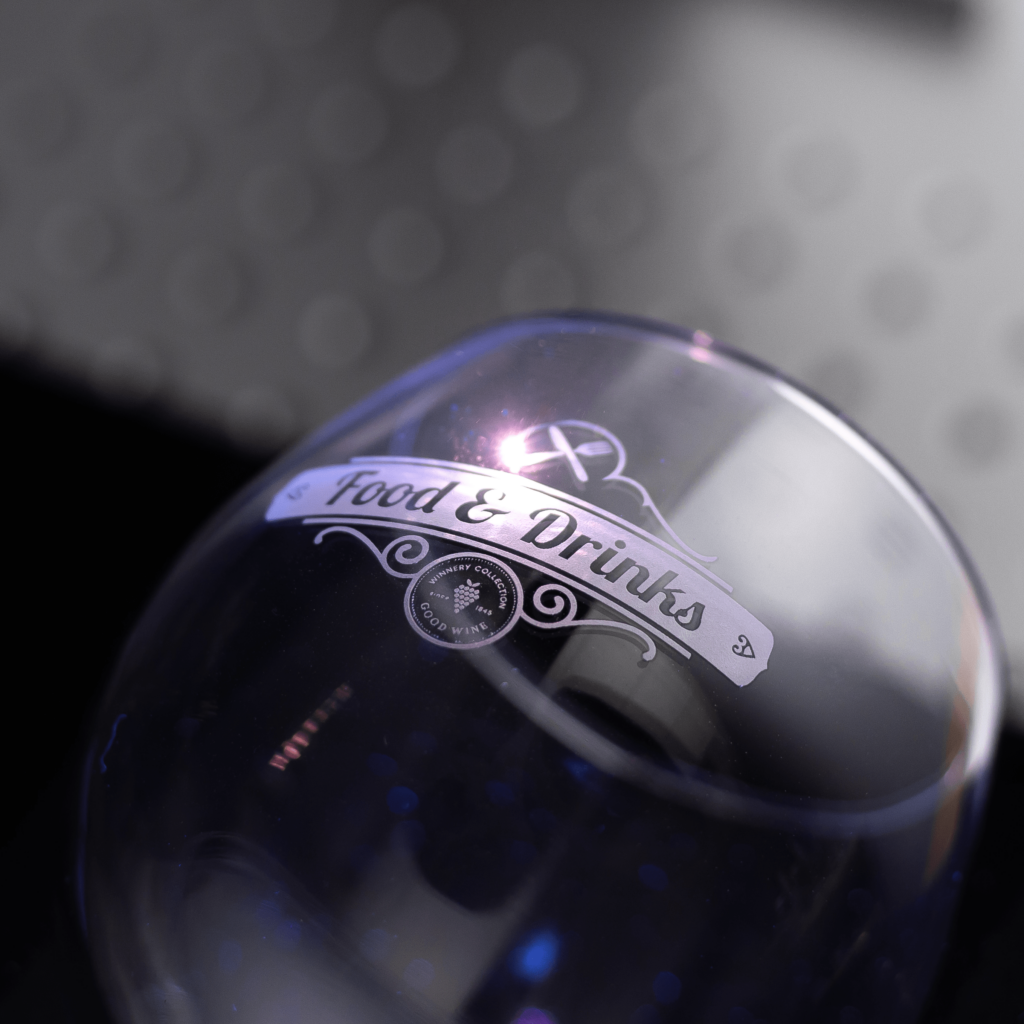
Laser marking on Glass
Laser marking on glass provides a clean, precise, and permanent solution for various applications. Whether for decorative purposes, branding, or traceability, laser technology ensures high-quality markings without compromising the integrity of the glass. This method is ideal for marking bottles, windows, glassware, and more, offering numerous benefits:
High Precision: Achieve intricate designs and detailed text with exceptional clarity.
Durability: Markings are resistant to wear, fading, and scratching, ensuring longevity.
Non-Contact Process: The laser marking process does not physically touch the glass, reducing the risk of damage.
Versatility: Suitable for a wide range of glass types and thicknesses, from delicate items to industrial glass.
Eco-Friendly: No need for inks or chemicals, making it a more sustainable choice.
plastics Marking
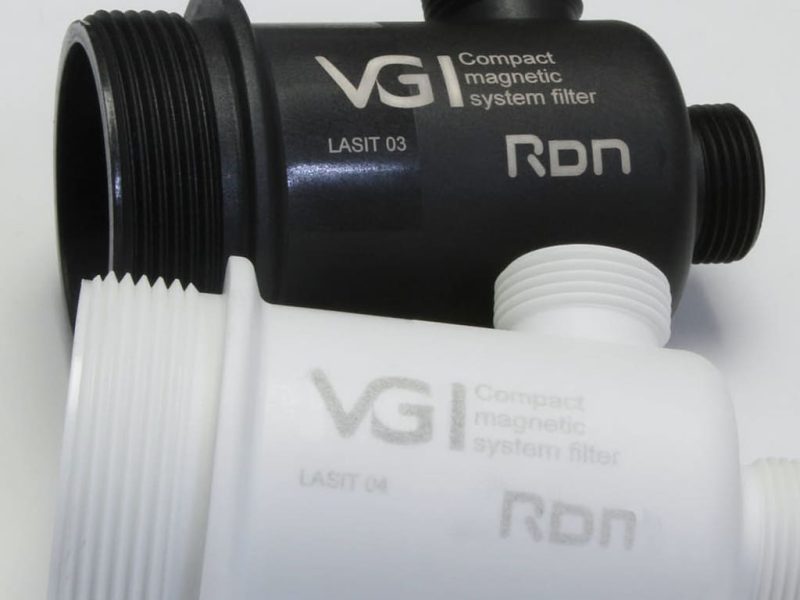
Laser marking processes on plastics
Colour change
Laser marking involving a color change process is basically an electrical process, which rearranges the macromolecules (by changing the direction). In this case, the material “dilates” by partially expanding. It is not removed or eliminated. The “pigment” elements in the base material always contain metal ions. Laser radiation changes the crystalline structure of the ions and the level of hydration in the crystals. Consequently, the composition of the element itself undergoes a chemical transformation, causing a color change due to the greater intensity of the pigment.
Expansion
Expansion is a laser marking process that melts the surface of the plastic. The material, brought to the boiling point, melts. The subsequent cooling is very fast. The gasified and vaporized bubbles are found in the surface layer of the base material and create a whitish bulge. This causes a tangible, therefore embossed, marking effect. The effect of these bubbles is most visible if the base material is dark. In this case, the laser works at reduced power but with very long pulses. This process can be applied to all polymers, where the composition varies the final color: light or dark.
Contact Us
Luminar
Typically replies within minutes
Welcome to Luminar, your trusted partner in laser technology. How may we assist you?