

The journey of gambling tracing its historical evolution and cultural impact
The Ancient Roots of Gambling
The origins of gambling can be traced back to ancient civilizations, where games of chance formed an integral part of social and cultural life. Evidence suggests that as early as 3000 BC, the Chinese were using dice made from animal bones in their games. The earliest known gambling games were played with rudimentary materials, but the thrill of risk and reward captivated participants, especially after they completed the staycasino login process, establishing a foundation for future gambling practices.

In ancient Rome, gambling became a popular pastime among citizens, with games like dice and betting on chariot races gaining immense popularity. Roman emperors even engaged in gambling, which led to strict laws regulating these activities to curb excesses. The interplay between chance and strategy was not merely a form of entertainment; it influenced social status and community bonds, showcasing the cultural significance of gambling.
The link between gambling and rituals is also significant. In various cultures, gambling was intertwined with religious ceremonies, where games were played as offerings to deities. This spiritual aspect transformed gambling into a means of connecting with the divine, shaping cultural attitudes toward luck and fate that persist to this day. Such early practices laid the groundwork for gambling as a multifaceted social activity.
The Evolution of Gambling in Medieval and Renaissance Europe
As Europe transitioned into the medieval era, gambling evolved significantly, particularly with the introduction of card games. The arrival of playing cards, likely from Asia, sparked new forms of gambling that captivated the nobility and commoners alike. By the Renaissance, gambling houses began to emerge, offering a controlled environment for various games. The popularity of these establishments marked a shift in gambling from informal gatherings to organized venues.
The societal implications of gambling during this period were profound. It not only became a source of entertainment but also a medium for social interactions across class lines. Literature from this era often depicts gambling as a reflection of human behavior, revealing the tensions between morality and temptation. Works like Shakespeare’s “Othello” and “The Merchant of Venice” explore themes of luck, chance, and the consequences of reckless gambling.
Regulatory measures also arose as gambling became widespread. Governments instituted laws to manage gaming activities, leading to the establishment of state lotteries in the 16th century. These lotteries aimed to fund public projects, highlighting the dual role of gambling as a source of revenue and a social concern. The Renaissance period thus played a pivotal role in shaping modern perceptions and regulations surrounding gambling.
The Rise of Casinos and Modern Gambling Culture
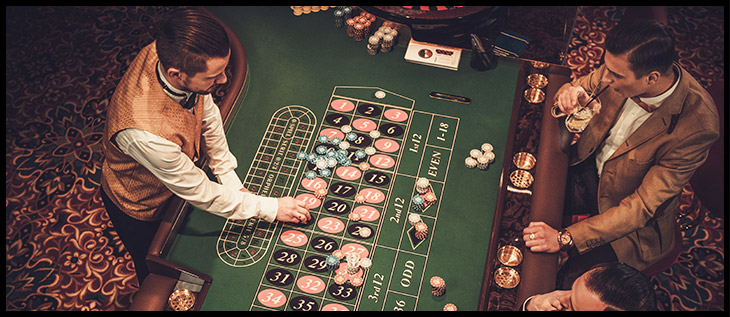
The 17th and 18th centuries marked the emergence of the first true casinos, with Venice’s Ridotto being one of the earliest examples. These establishments provided a structured environment for gaming, leading to the development of iconic games such as roulette and baccarat. The allure of casinos attracted affluent individuals and set the stage for gambling as a significant industry, deeply embedded in the social fabric of society.
As gambling spread globally, different cultures adapted their practices to fit local customs. In the United States, the Gold Rush of the 19th century led to a surge in gambling activities, particularly in the form of saloons and gaming houses in burgeoning towns. This era is often romanticized in literature and film, showcasing the Wild West’s chaotic yet vibrant gambling scene, which contributed to America’s unique gambling culture.
The 20th century ushered in a new era with the legalization and regulation of gambling in many regions. Las Vegas emerged as a gambling hub, symbolizing the freedom and excitement associated with gaming. The rise of online casinos in the late 1990s further revolutionized the industry, making gambling more accessible than ever. This transition has had profound implications for how individuals engage with games of chance, highlighting the adaptability of gambling to modern technology.
Gambling’s Cultural Impact Across Societies
Gambling has consistently played a crucial role in shaping cultural narratives and identities across various societies. In many cultures, it serves as a rite of passage, a way to bond, or even a means of social mobility. The psychological elements of risk and reward resonate deeply with human nature, influencing art, literature, and social dynamics. Cultural perceptions of gambling can vary greatly, with some societies embracing it as a form of entertainment while others stigmatize it due to its association with vice.
Moreover, gambling has significant economic impacts. It creates jobs, generates tax revenue, and fosters tourism in locations known for their gaming venues. The economic benefits, however, come with social challenges, including gambling addiction and crime. These dual aspects highlight the complexity of gambling’s role in society, necessitating ongoing discussions about responsible gaming and public policy.
Additionally, the portrayal of gambling in media plays a significant role in shaping public perceptions. Movies like “Casino Royale” and television shows focused on poker enhance the glamour associated with high-stakes gaming. These portrayals can influence individuals’ attitudes toward gambling, often romanticizing the risks and rewards while downplaying the potential consequences. This cultural narrative underscores the need for informed discussions surrounding gambling behavior and its implications.
Stay Online Casino: Your Gateway to an Exceptional Gaming Experience
Stay Online Casino is designed to elevate your gaming experience, providing access to an extensive collection of over 9,000 games. The platform combines a user-friendly interface with robust security measures, ensuring that players can engage with their favorite games safely and efficiently. This commitment to quality makes it a leading choice for both novice and seasoned gamblers alike.
With options ranging from classic slot machines to immersive live dealer experiences, Stay Online Casino caters to diverse preferences. The incorporation of generous promotions and bonuses enhances the overall experience, allowing players to maximize their enjoyment. This blend of variety and value is crucial in maintaining a loyal player base while attracting new users eager to explore the world of online gambling.
As the landscape of gambling continues to evolve, Stay Online Casino remains at the forefront, adapting to the latest trends and technologies. By prioritizing player satisfaction and security, it not only contributes to the ongoing narrative of gambling’s cultural impact but also ensures that each player’s journey is engaging and rewarding. Join today to discover the excitement of gaming with Stay Online Casino, where tradition meets innovation in the realm of online gambling.